

Figuring out how much to pay for each lead might seem confusing, but it’s simple. Let’s look at an easy way to figure out your pay-per-lead costs.
According to the Demand Generation Benchmarks Report by Marketing Charts, the average pay-per-lead cost is $208. But this number can vary by hundreds of dollars depending on the industry and how hard it is to get that lead.
Luckily, there’s a simple formula to calculate the cost of your lead.
But if you’re still new to the concept of pay per lead, don’t forget to watch this quick summary.
How to calculate cost per lead
Typically, most B2B demand generation companies charge around 1–3% of your average deal size. For example, if your product sells for $10,000, your pay-per-lead cost will likely be around $100–$300.
Then, you’d multiply the lead price by the number of leads you get.
So, let’s say you acquire 20 leads, and the average lead price is $200. Your total lead generation cost would be $4000.
“We’re converting at pretty close to 50% of leads turning into opportunities. And that’s way beyond any of the other lead generation sources we’ve been using. And on a cost-per-pipe efficiency basis, it’s well beyond our expectations.”
David Morrison, Director of Global Lead Generation Automation Anywhere
Examples of pay-per-lead costs
As we already know, The pay-per-lead model can vary depending on your industry and the type of leads you want to generate. Here are a few examples:
Average cost for a meeting (pay per appointment)
Pay-per-appointment campaigns can cost anywhere from $50 to $3,000, depending on the quality of the lead.
For example, if you want a meeting with managers in the martech industry, it could cost $50–$100 per lead. But if you are more interested in the C-suite level, you can expect to pay $3,000 or more per lead.
Average cost for a syndication lead (pay per download)
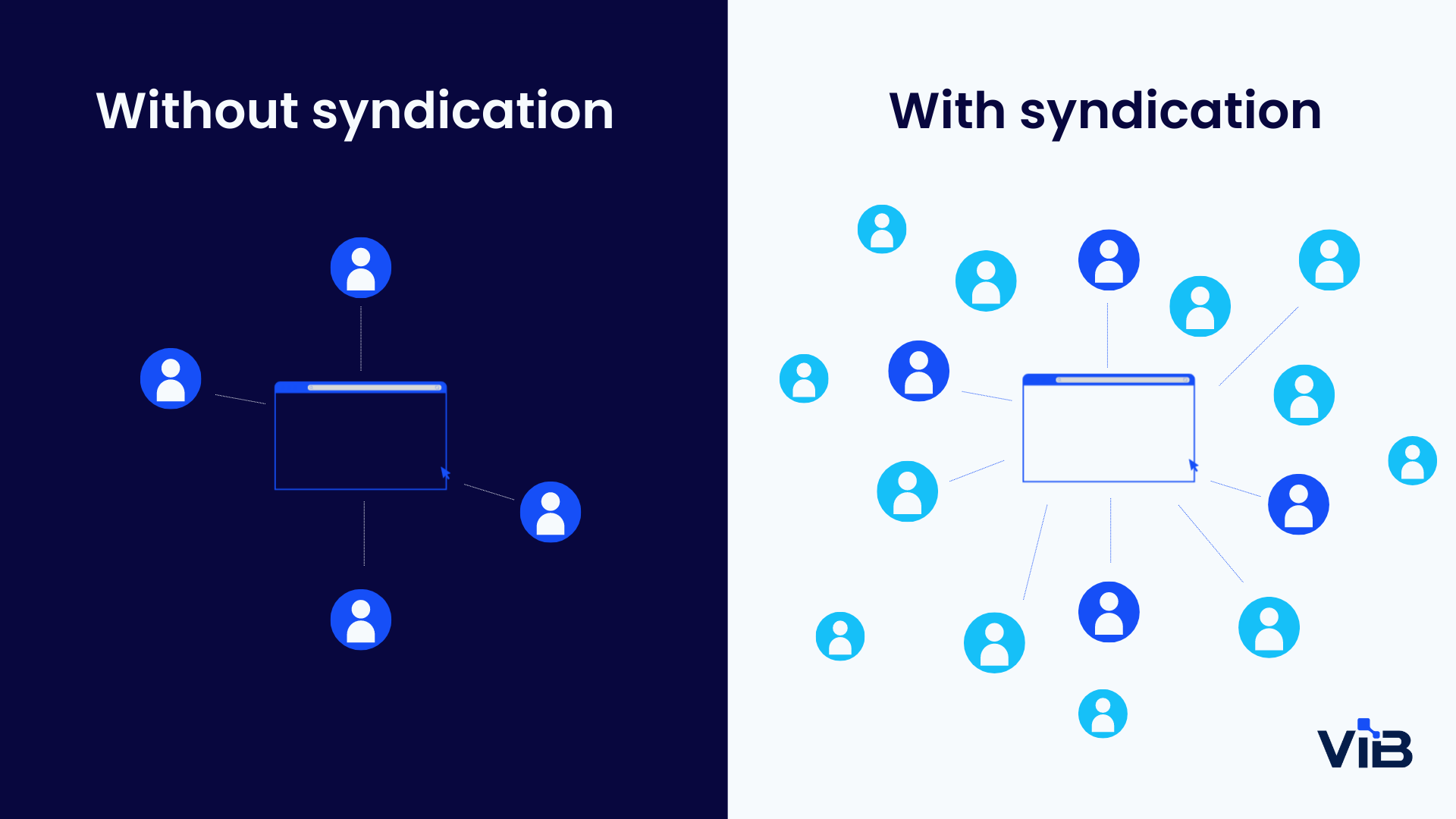
Content syndication prices per lead typically cost $40–$100. But it depends on the type of leads you want to target—so it’s important to contact your lead generation team for an exact pricing quote.
At ViB, you can start getting content syndication leads for $30. What’s more, we guarantee to hit your lead goal with, and with qualified leads only.
Attendee standard cost (pay per attendee)
Again, calculating the cost of a webinar attendee lead depends on various factors. At ViB, we offer $15,000 per webinar with a minimum guarantee of 100 attendees.
With the cost of a full-service webinar included, a single lead can cost you $150—or even less if there are more than 100 attendees (which is often the case with us).
If you’re talking about just qualified leads minus any webinar costs, you can expect the number to be lower at around $40-65 per lead. That exact number will depend on how narrow your targeting criteria is, and whether you’re purchasing registrants versus attendees who show up.
Email marketing median cost
According to HubSpot, the standard email open rate for the IT industry is just 33.5%. It can be very tough to find professionals who are already warmed up to receive your emails. That’s where email marketing lead generation comes in.
According to Visitor Queue, the average cost for a single email marketing lead is $53.
ViB’s email solution starts at $2,200 per send. A single email is sent to engaged technology professionals in our ViB Community. Because they’re already warmed up to receive your emails, they’re more likely to convert!
Additionally, you may have the option to pay per email lead, which is priced similarly to a webinar lead, at \$40-65 per lead.
What is a reasonable cost per lead?
There is no cookie-cutter answer for this. A reasonable cost per lead varies by industry but the common factor is that it should be significantly less than your gross profit per sale. For example, if your sale yields $2000, your cost per lead should be less than this amount.
Factors influencing the cost of leads in pay per lead
A reasonable cost per lead depends on several factors:
1 – Industry
Different industries have different levels of competition and demand. In highly competitive sectors, getting leads can be pricier because everyone’s vying for the audience’s attention.
2 – Target audience
Targeting a super-specific audience might take more work and resources, which can bump up the overall cost for each lead.
3 – Geographic scope
The geographical scope of your target market plays a role in lead costs. If you’re targeting a local crowd, If you’re targeting a local crowd, it might be less expensive than national or international campaigns.
4 – Lead quality
The level of lead qualification and quality you want will also naturally impact costs. If you’re looking for highly qualified leads who have stronger intent and are more likely to convert, you might need extra resources to find them.
5 – Marketing channels
Your choice of marketing channels also significantly influences costs. Some platforms or methods might cost more upfront, but they bring in better-quality leads, affecting the overall cost per lead.
6 – Campaign scale
The size and scope of your campaign matter. A massive campaign will likely cost more, especially if a lot of outreach or marketing work is involved.
7 – Risk
If you have performance guarantees in your contract, expect to see higher costs. These performance guarantees absorb the risks of seeing a lower volume or quality of leads than expected.
8 – Competition and demand
Changes in the market, like changes in demand and competition, can affect your lead costs. To keep your costs in check, it’s important to adjust your strategies based on what’s happening in the market.
How much should you pay for a lead?
Figuring out the right amount to pay for a lead involves a thorough assessment of various factors.
Let’s look at them:
- Look at your business budget, target market, and overall marketing goals. This can help you determine what pay-per-lead costs make sense.
- While it’s tempting to go with a lower cost per lead, it’s also important to consider how much value each lead brings to your business. Quality is often more important than quantity when it comes to leads. Higher-quality leads are more likely to convert into paying customers—leading to a better ROI. Striking a balance between lead cost and quality ensures you’re not compromising on the potential for conversion.
- Check how much experience the lead generation provider has. More experience usually means they have a better grasp of demand generation strategies.
- Make sure the leads match your ideal customer profile (ICP). Decision-makers are the ones who can actually make a purchase, so they’re more valuable.
- Look at the provider’s case studies to get a sense of their success stories. These can tell you whether they can deliver the desired results.
- When you’re considering a marketing agency, ask them our 15 questions. These questions cover everything from strategy to experience, helping you dig deep into what they bring to the table.
- Before you sign a contract, it’s important to try out the lead generation service to see how well it performs. During this trial period, watch how quickly the team responds, communicates, and adjusts to your business’s needs.

Making an informed decision when evaluating the right B2B lead agency doesn’t have to be rocket science. Get the one-page checklist of the 15 must-ask questions, to cover all your bases, easily.
Ways to optimize lead costs
1 – Hone in on your audience: Focus on specific audience segments. That way, you’re not throwing resources at people who aren’t interested.
2 – Use marketing channels efficiently: Determine which platforms work best for your audience. Put your energy into the ones that actually get you results.
3 – Constantly monitor: Set up a solid tracking and analytics system to keep tabs on how your lead generation is doing. Regular check-ins will let you tweak things quickly.
4 – Refine lead qualifications: Keep improving how you qualify leads. Identify what makes a top-notch lead for your business. That way, you’re directing resources where they’ll pay off the most.
5 – A/B test: Try different things in your campaigns to help you determine what works best and fine-tune your approach over time.
6 – Choose the right lead generation providers: Check how your vendor generates leads and provides a fair balance between cost and quality. Set clear expectations and metrics to measure how well those leads perform.
Ready to get started with pay per lead generation?
Using a top-notch pay-per-lead provider can help you meet your KPIs, stay within budget, and secure high-quality sales leads.
Discover your most promising leads through ViB’s community-centric approach. Engage with a pool of qualified professionals who are already interested in your offerings.
For a customized lead generation solution, contact our team members today!

Want to test our unique approach to B2B demand generation with a low cost trial?


