

For many B2B teams, sales outreach is a disjointed process. Sales and marketing might be working with separate systems, separate data sets, and separate goals.
The result? Misaligned messaging, missed opportunities, and a lot of wasted resources. 💸
MarketingProfs found that highly aligned sales and marketing teams see 38% higher sales and 36% higher customer retention than misaligned teams. On the flip side, according to Forbes, misaligned teams can lead to revenue losses of 10% or more.
Modern sales outreach requires a strategic, integrated approach that combines data, personalization, and close coordination between sales and marketing teams.
For that to happen, your sales outreach tools must work together seamlessly.
In this post, we’ll walk through how to use sales outreach tools to build a comprehensive, end-to-end strategy to reach the right people, at the right time, with the right message—so you can close more deals.
Key sales outreach tools for an aligned approach
Below, we share the sales outreach tools you need in your toolbox to build a fully integrated sales outreach strategy. These tools cover the entire sales funnel from top to bottom to make sure marketing and sales stay closely aligned.
Tool 1: Email outreach
Email remains one of the most effective and direct channels for sales outreach. Unlike social media or ads, email allows sales teams to send personalized, targeted messages directly to the prospect’s inbox. This personalization—based on behavior, pain points, and previous interactions—helps build trust and increases the likelihood of a response.
Plus, email outreach can be automated and sequenced, allowing sales teams to follow up at the right intervals without losing track. With the right strategy, emails can nurture leads, accelerate the sales process, and ultimately drive conversions.
Best practices:
- Segment your email lists based on behavioral data.
- Create follow-up sequences that are aligned with the prospect’s interactions.
P.S. ViB Emails sends your email campaign to thousands of targeted, high-tech prospects within our ViB Community.

Tool 2: High-quality thought leadership
Whether it’s whitepapers, blog posts, or ebooks, content plays a huge role in nurturing prospects and establishing trust. Integrating your content into your sales outreach efforts can make a big difference in how prospects perceive your brand and whether they decide to move forward with your solution.
Best practices:
- Create content tailored to different stages of the buyer’s journey.
- Use content to provide value and address pain points before pushing for a direct sales conversation.
- Syndicate your content across platforms to maximize its impact.

Tool 3: Webinars and event-based campaigns
Webinars and event-based campaigns give you a focused way to engage potential leads, educate your audience, and create timely follow-up opportunities. Unlike one-off outreach, they give prospects a reason to engage with your brand, learn from your expertise, and continue the conversation after the event.
Plus, events create an ideal situation for targeted follow-ups, as attendees have already shown interest in your brand or offering by participating.
Best practices:
- Promote your webinar or event campaign early enough to build awareness and drive registrations.
- Send post-event follow-up to continue the conversation and nurture leads down the sales funnel.
P.S. Want a fully planned and hosted webinar without the heavy lifting? ViB Webinars can help you attract and engage the right audience.

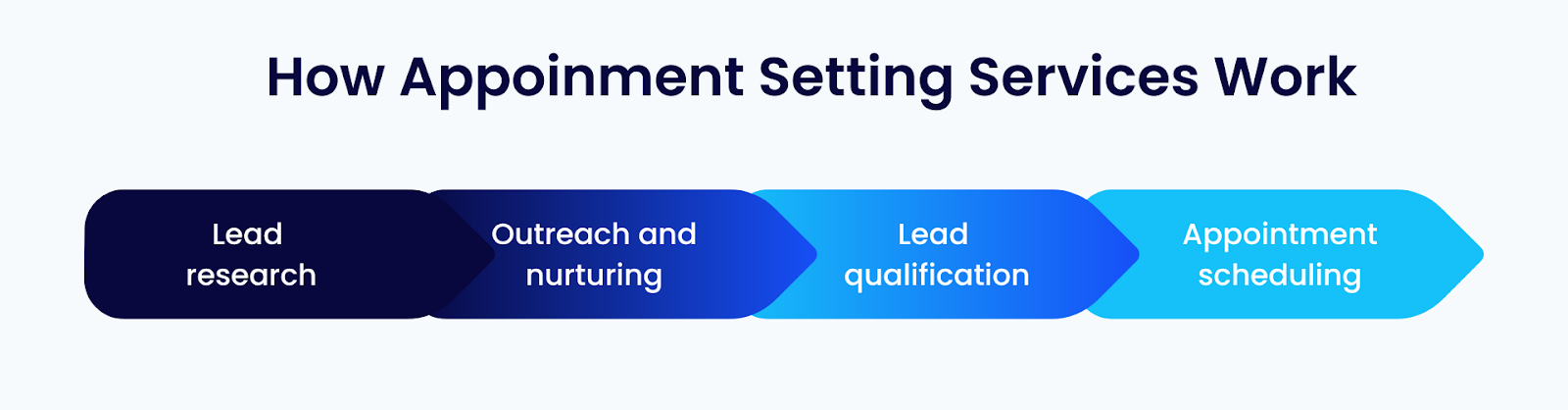
Tool 4: Appointments
Getting prospects to take that next step—booking a meeting or scheduling a demo—is the pinnacle of any sales outreach strategy. This is where you can really focus on turning a lead into a paying customer.
During appointments, you can dive deeper into the prospect’s specific needs, pain points, questions, and goals. These one-on-one interactions allow you to highlight your product or service’s value in a more personalized and impactful way, making it easier to move prospects through the sales funnel and ultimately close deals.
Best practices:
- Personalize your messaging. Reference the prospect’s specific interests, challenges, or previous interactions with your brand.
- Keep the conversation focused on their needs to show you value their time and are there to help.
P.S. Consider outsourcing to an appointment-setting service like ViB Appointments. Our customers see over 40% of their appointments convert into opportunities.
ViB: Your complete sales outreach toolbox
ViB isn’t just another tool to add to your sales outreach stack. It’s the central hub that ties everything together, making your sales outreach smarter and more effective.
Here’s how ViB helps create a more integrated sales outreach system:
- Data-driven personalization: ViB uses behavioral insights and intent data to help you send highly personalized messages to the right people. With ViB, you’re not relying on guesswork or generic outreach—you’re reaching out based on where prospects are in their journey, making your messages more relevant and impactful.
- Multichannel outreach: ViB allows you to integrate outreach across various channels—email, webinars, content syndication, and more. This cross-channel integration ensures your sales and marketing teams are working with a unified strategy, not multiple fragmented efforts.
- Scalability: Whether you’re running a targeted campaign or broadening your outreach efforts, ViB’s tools can adapt to fit your goals and workflow. That way, as your business grows, so does your ability to reach more prospects without sacrificing quality or personalization.
Sales outreach isn’t about using isolated tools to reach prospects. It’s about creating a cohesive system across marketing and sales for smarter, more effective outreach.
Ready to build a more connected sales outreach strategy? Explore how ViB’s B2B demand generation solutions can help you reach the right buyers, activate intent signals, and drive more qualified conversions.


