 Skip to content


When it comes to getting highly-targeted accounts for your marketing campaign, traditional B2B marketing approaches just don’t cut it.
Why’s that?
Traditional B2B marketing casts a wide net. This means you spend money on irrelevant prospects who aren’t likely to convert.
Account-Based Marketing (ABM), on the other hand, focuses laser-like on a select group of high-value accounts. This targeted approach helps tailor your messaging to create deeper relationships, boost ROI, and drive superior results 🦸.
Let’s explore how data-driven insights can strengthen your ABM strategy, helping you prioritize the right accounts, refine your messaging, and improve campaign performance.
The Power of Data-Driven Insights in ABM
Since account-based marketing thrives on precise targeting, this is where structured data and audience insights can make a measurable difference. By gathering measurable data through surveys and polls, you gain a deep understanding of your target accounts.
Let’s look at some of the benefits of using data-driven insights in ABM:
- Solid foundation: Quantitative research provides the numbers and statistics that underpin your ABM decisions. This means you don’t have to fly blind anymore. You’ll have solid evidence to support which accounts to target and why.
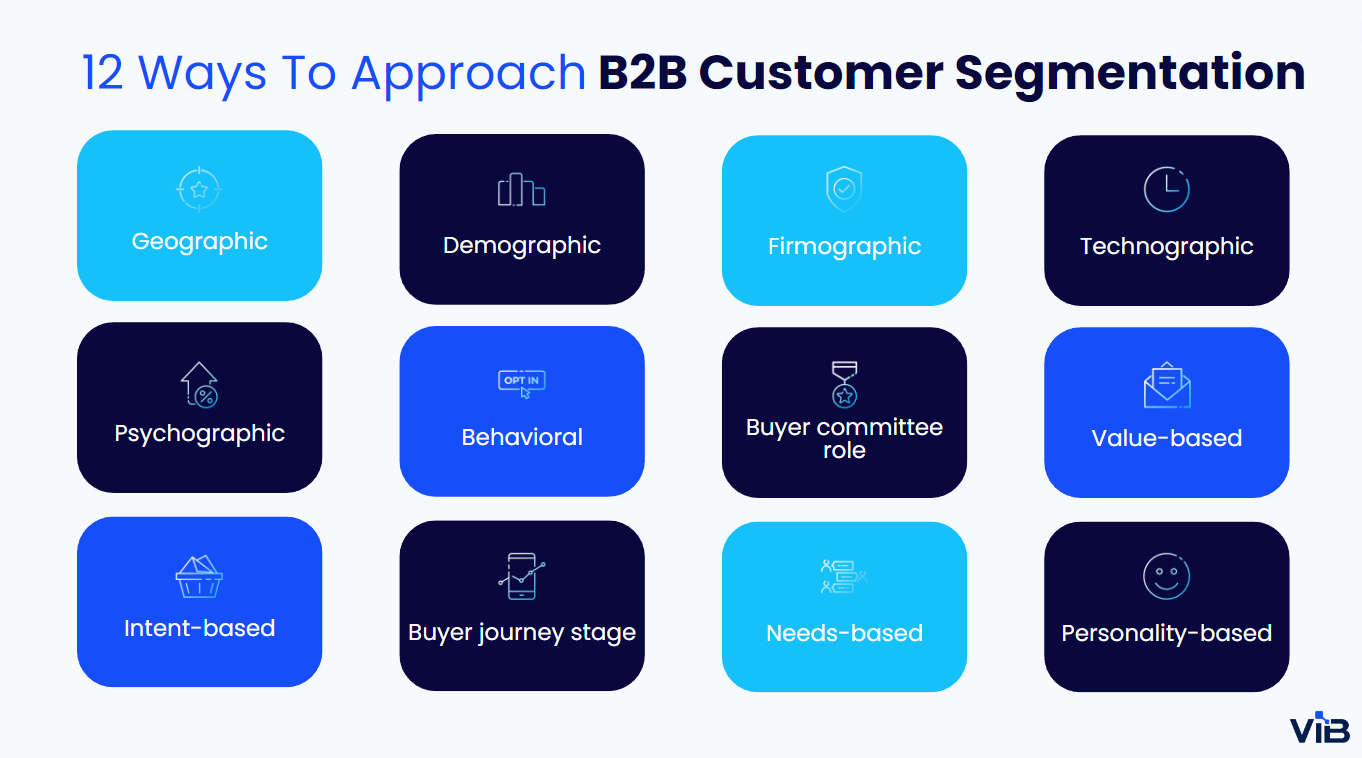
- Identifying ideal customers: Surveys and polls can pinpoint the firmographics (company size, industry) and technographics (software used) of your ideal customer profiles. This allows you to focus resources on the accounts with the most potential for success.
- Understanding needs & pain points: Quantitative data can show you the key challenges and frustrations faced by your target accounts. This insight helps you to craft messaging that directly addresses their pain points, increasing engagement and conversion rates.
What Are the Best Ways to Gather ABM Insights?
Customer and campaign data can help you better understand your ideal accounts. By using structured feedback, analytics, and engagement signals, you can fine-tune your ABM strategy with more confidence.
Let’s look at some of the methods that can help create data-based ABM campaigns that will get you results 🥳:
1. Survey tools
Quantitative research often relies on structured surveys to gather hard data. You can conduct these surveys in various ways. However, online surveys offer a winning combination of benefits for B2B marketing research.
Some popular survey tools are SurveyMonkey, Qualtrics, and Typeform. These platforms offer user-friendly interfaces to build and share surveys, allowing you to gather data directly from your target accounts.
2. Analytics & business intelligence platforms
Analytics and Business Intelligence (ABI) platforms transform raw data into actionable insights. They collect information from various sources, analyze it, and present it in clear dashboards.
This empowers businesses to make data-driven decisions, improve efficiency, boost customer experiences, and ultimately drive growth. Some features of ABIs include data storage, easy-to-build dashboards, advanced analytics, and even AI-powered predictions.
Some great examples of ABI platforms are Tableau, Microsoft Power BI, and SAP. If you have existing customer data, these platforms help you identify patterns relevant to your ABM strategy.
3. Audience insight and data partners
For a deeper dive and access to broader audience feedback, teams may work with audience insight or data partners. This can help validate messaging, identify pain points, and better understand the priorities of target accounts.
They also have larger sample sizes, which helps you reach a broader respondent pool within your target accounts. Plus, they offer expert data analysis that gives actionable insights tailored to your ABM goals.
Audience insights can be especially useful when building ABM campaigns for technical or niche B2B markets. By combining survey feedback, engagement data, and account-level insights, marketers can create campaigns that feel more relevant to the people they want to reach.

Here’s an example of how audience insights can support a stronger B2B campaign:
Illumio Uses Audience Insights to Support Market Leadership
Illumio’s Marketing Programs Manager, Mandy Skroupa, sought to increase brand awareness and generate leads. Traditional research wasn’t ideal, as results were unpredictable.
Illumio used targeted survey insights from IT security professionals to support a thought leadership report around security risks. The campaign helped increase engagement, support lead generation, and position the brand as a trusted voice in cybersecurity.
With the right audience insights and campaign strategy, B2B teams can turn data into content that resonates with their target market and supports measurable campaign goals.

Explore more B2B marketing examples and resources to see how insight-driven campaigns can support stronger outcomes.
Refining Your ABM Strategies Based on Data-Driven Insights
Data can give you valuable direction, but transforming it into actionable insights takes the right approach.
Here are some key tips to optimize your ABM strategies based on your data and audience insights:
- Focus on quality, not quantity: Don’t overload your surveys. Prioritize questions that directly address your ABM goals and target audience.
- Use the right tools: Make use of online survey platforms for ease of distribution and data collection.
- Offer rewards for participation: These can be access to gated content like ebooks or webinars to encourage completion.
- Data cleaning and validation: Make sure all your data is correct before analysis. This prevents misleading conclusions.
- Segment your data: It’s a good idea to analyze response categories within your target accounts (e.g., job title, department). This can help you get deeper insights.
- Use data visualization: Present findings in charts and graphs to easily identify trends and patterns.
- Make improvements: Regularly revisit your data and adapt your strategies based on new findings and market changes.
- Track KPIs: Make sure you monitor important metrics like engagement rates and conversion rates. This can help find out how effective your ABM efforts are.
- Close the feedback loop: As you make changes, you should gather more data to assess how your audience responds. This creates a continuous cycle of improvement.
These tips can transform your ABM strategies from a static plan to a data-driven approach that gets you results.
Power Up Your ABM Strategy With Better Data
Ready to make your ABM campaigns more targeted and effective?
The right data can help you understand your audience, refine your messaging, and focus your marketing efforts on the accounts most likely to convert.
Explore more B2B marketing resources from ViB, or connect with our team to learn how we can help support your next campaign.


