Skip to content


When it comes to the innovative field of B2B tech marketing, traditional “spray-and-pray” marketing approaches no longer work. In order to market their products and services effectively, account-based marketing (ABM) is the way for B2B tech companies to go.
ABM is a strategic marketing approach that shifts the focus from mass lead generation to targeting high-value accounts. This approach holds immense potential for your business because it leads to quality lead generation and customer acquisition.
Importance and benefits of ABM for B2B tech companies
Here’s how ABM for B2B tech can help you elevate your marketing game:
- Leveraging data-driven insights
By analyzing existing customers and market trends, teams can develop targeted campaigns that are more likely to succeed. For example, analyzing CRM and intent data can reveal which accounts are researching competitors or specific solutions, allowing for proactive outreach. - Accelerated sales cycles
By providing the right content to multiple decision-makers at a company, ABM helps reach potential customers before they talk to a sales representative. When more stakeholders are aligned early, sales teams can close deals faster because objections are addressed upfront.
- Personalization at scale and increased engagement
ABM allows for personalized marketing strategies tailored to key contacts within target accounts. A CMO might receive ROI-focused case studies, while an IT director gets a technical integration guide. This level of customization makes each prospect feel understood and valued. And when the content is valuable, engagement rates improve greatly. - Higher ROI
Shorter sales cycles and increased engagement mean better ROI for ABM campaigns. The approach also leads to better predictions about future sales because sales and marketing teams understand customer needs more deeply. ABM also allows you to measure ROI at the account level, not just by channel, giving clearer insight into what drives real revenue. - Higher contract value
By targeting accounts that are most likely to succeed with a product or service, ABM can increase the overall value of contracts. This strategy attracts valuable clients and enhances their lifetime value to the company. - Better customer retention
ABM isn’t just for attracting new customers; it’s also effective for nurturing existing relationships. By personalizing communications and partnering with customer success teams, companies can increase customer retention and encourage repeat sales. Renewal and upsell campaigns using ABM frameworks often outperform standard nurture tracks, since messaging is tailored to each client’s lifecycle stage.
- Cost-effectiveness
ABM is more cost-effective than traditional marketing methods. Instead of spreading resources thin across many channels, companies focus on high-value accounts, avoiding wasted effort and budget. This focus ensures smaller but more meaningful marketing spend, especially for SaaS and enterprise tech firms targeting niche audiences. - Improved reporting and accountability
With ABM, marketers can measure key performance indicators (KPIs) more effectively, leading to insights into what works and what needs improvement. Common KPIs include account engagement score, influenced opportunities, deal velocity, and pipeline contribution. - Opportunity for expertise
In order to effectively market, ABM requires deep knowledge of each target account. In addition to understanding your customers better, this research positions the company as an expert in its field, making it stand out in the market. This approach strengthens thought leadership—positioning your brand as a trusted advisor rather than a vendor.
Targeting the right accounts and decision-makers
Identifying and prioritizing key accounts is critical for ABM success. Start by analyzing your existing customer base. Look for patterns in industries, company sizes, and revenue levels.
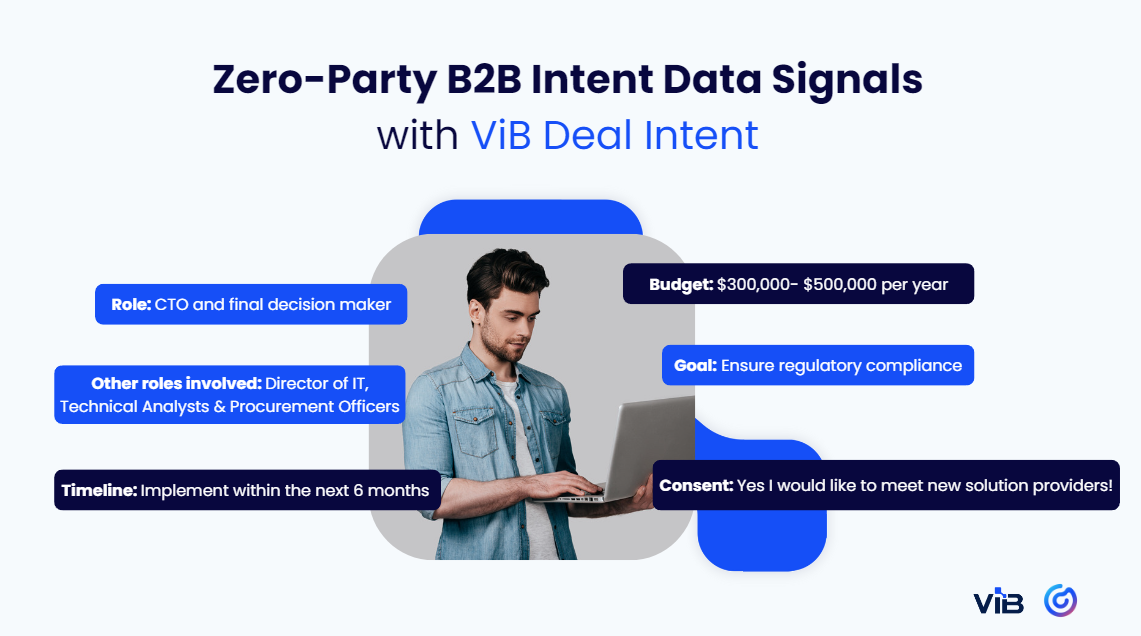
Once you’ve identified your ideal customer profiles (ICPs), you can leverage intent data to discover which accounts show buying signals.
Aligning marketing and sales efforts is equally important. By collaborating closely, these teams can tailor the messaging to speak to decision-makers and influencers within these organizations.
Schedule regular “ABM syncs” between marketing and sales to review account lists, share insights, and ensure consistent follow-up strategies.
This alignment increases your chance of success.
Best practices and strategies for ABM
Implementing ABM into your marketing strategy requires thoughtful planning. Here are some best practices to consider:
Develop account profiles
Create detailed profiles for your target accounts, including key stakeholders and their pain points. This will help you tailor your messaging effectively. Include buying triggers, relevant technologies, and recent company initiatives in your profiles. These insights power more targeted outreach.
Personalize your outreach
Use insights from your research to craft personalized messages. Whether it’s through email campaigns or LinkedIn outreach, personalized communication is key to capturing attention. Video messages, interactive PDFs, or custom landing pages can take personalization to the next level.
Leverage multiple channels
Don’t limit your outreach to just one platform. Use a mix of email, social media, and direct mail to engage your audience. This multichannel approach ensures you reach your target accounts where they are most active. Consistent messaging across channels reinforces brand recall and helps sales teams build momentum with warm accounts.
Use content marketing
Develop valuable content that addresses the specific needs of your target accounts. This could include white papers, case studies, or webinars that showcase your expertise. Consider tailoring content by funnel stage: thought-leadership blogs for awareness, ROI calculators for consideration, and demos or peer case studies for decision-stage accounts.
Measure and optimize
Regularly track your ABM efforts. Analyze engagement rates, conversion metrics, and overall ROI. Use this data to refine your strategy for even better results. If a particular segment underperforms, revisit your ICP assumptions or creative formats. Continuous iteration is key to ABM maturity.
To learn more, check out these blogs as well:
- Top strategies for effective ABM targeting in B2B tech
- B2B ABM lead generation strategies for tech marketers
Real-world examples and case studies
ABM is a powerful tool driving real results. Here are some of ViB’s ABM success stories:
🏆 DataCore used ABM precision data to get 2000 new leads

DataCore Software wanted to enhance its lead database and brand recognition but faced challenges with traditional methods. The company partnered with ViB and used its extensive community for targeted email marketing, reaching thousands of professionals.
In just a few months, DataCore added nearly 2,000 net-new names to their database, with each email contributing 30-75 new contacts.
This cost-effective strategy allowed DataCore to nurture leads through regular outreach, including newsletters and webinars, ultimately improving its marketing efforts and connecting with new audiences.
🧨 Are you ready to supercharge your marketing strategies through ABM for B2B tech?
At ViB, we specialize in helping B2B tech companies implement effective ABM campaigns that drive results.
Chat with our team to learn more about how we can support your efforts.