Skip to content


In the B2B marketing world, data is king. But gathering meaningful insights isn’t always easy—and traditional survey tools for data collection don’t always cut it.
Turnaround times can be long, and getting responses to your surveys can feel like pulling teeth. And even if you get responses, how can you be sure they’re valuable? Poor-quality data can leave you second-guessing your next steps.
In this comprehensive guide, we’ll share what to look for in survey tools for data collection, some of the most popular options available, and how to craft your surveys for the best results.
Key features to look for in a survey tool
When choosing a survey tool for data collection, especially for B2B marketing, it’s important to ensure the platform offers the features you need to get the most accurate, actionable insights. Not all survey tools are created equal, and finding one that aligns with your specific goals can make all the difference. Here are the key features to keep in mind when evaluating a survey tool:
1. Advanced targeting capabilities
If you’re going to spend time creating surveys, you want to make sure they’re reaching the right people. A great survey tool should allow you to target your ideal audience with precision—whether that’s based on firmographics, job roles, geographic location, or even behavioral intent. Look for tools that offer customizable targeting options so you can make sure you’re gathering data from the people who matter most. 🎯
2. Fast turnaround times
Time is money, especially in the B2B world. A top-tier survey tool should provide quick delivery so you can start leveraging the research ASAP to make timely, data-driven decisions.
3. Customization and branding
Whether you’re collecting customer feedback, conducting market research, or qualifying leads, you want your survey to match your brand’s voice and look professional. A good survey tool should offer a high degree of customization in terms of design, question types, and branding options. From custom logos to tailored messaging, your survey should reflect your company’s unique style.
4. Data quality and validation
The quality of your data is only as good as the responses you collect. Look for survey tools that offer built-in data validation features to ensure the responses you’re gathering are accurate and reliable.
5. Advanced survey logic and branching
Not all respondents will have the same answers, and you don’t want a one-size-fits-all survey. The best survey tools for data collection allow you to create dynamic surveys with advanced logic and branching. This means respondents will only see questions relevant to them based on their previous answers, making for a smoother experience and more targeted insights. 🤓
6. Customer support
It’s essential to have excellent support when you need it. You don’t want to get stuck with a tool that’s hard to use or doesn’t have the resources to help you succeed. Look for platforms that offer customer support throughout the survey process, including live chat, tutorials, and in-depth documentation.
7. Data ownership
Finally, you want a tool that gives you full ownership of the data you collect. This is an often-overlooked but critical aspect of any survey tool. By ensuring you maintain full control over your data, you’re protecting your insights, your compliance, and your ability to leverage that data in the future.
Top survey tools for data collection
Here are some of the most popular survey tool options available:
1. SurveyMonkey
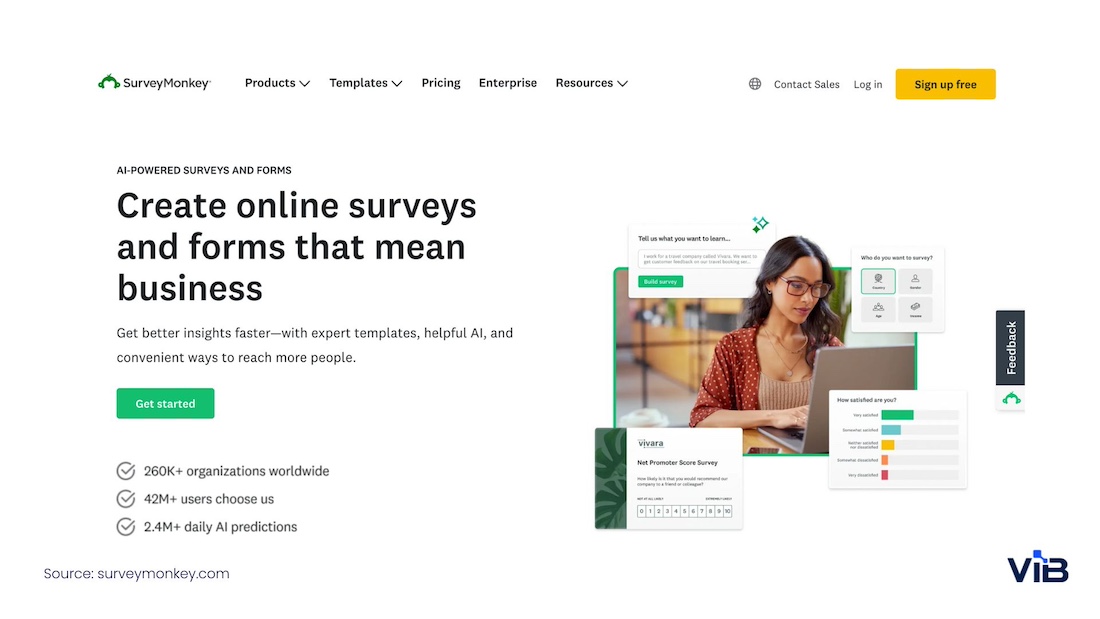
SurveyMonkey offers customizable surveys for collecting valuable insights from B2B audiences. It features a user-friendly interface and a variety of templates for different use cases.
Pros:
- Wide variety of templates and question types
- Easy-to-use interface
- Integration with CRM and email marketing tools
Cons:
- Limited advanced targeting options
- Some features are locked behind higher-tier plans
- Can become expensive for larger organizations with high survey volume
2. Typeform
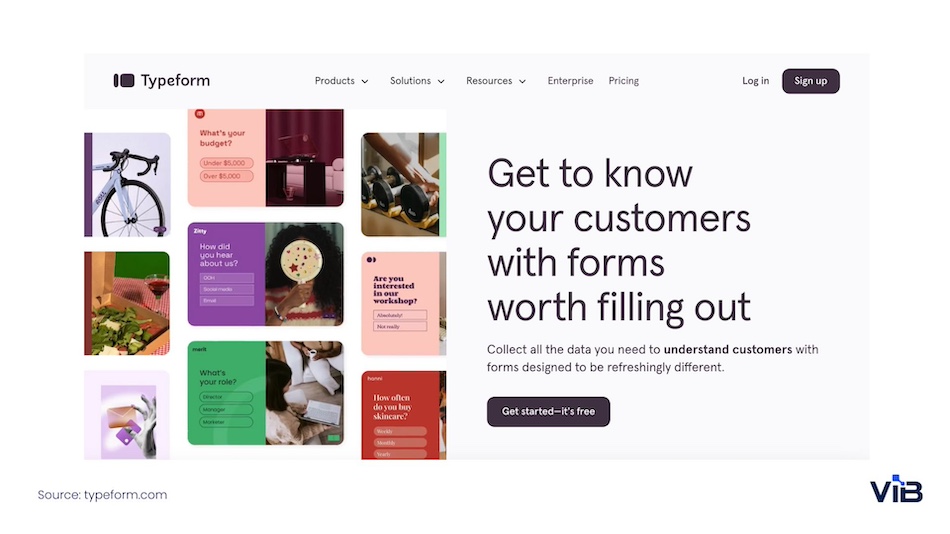
Typeform is known for its visually engaging and interactive surveys, making it a useful tool for B2B marketers looking to improve engagement rates. Its conversational approach to surveys increases response rates.
Pros:
- Engaging survey designs
- Highly customizable user experience
- Works well for lead generation and market research
Cons:
- Pricing can be high for enterprise users
- Limited reporting features in the lower tiers
- Can be time-consuming to set up for more complex surveys
3. Qualtrics

Qualtrics is an enterprise-grade survey platform offering robust data collection, advanced analytics, and targeting capabilities. It’s ideal for B2B marketers who need deep insights and complex survey logic.
Pros:
- Advanced survey logic and branching options
- Powerful analytics and reporting tools
- Can be integrated with CRMs, email, and other marketing platforms
Cons:
- Steep learning curve
- Expensive, making it better suited for larger companies
- Some features may be overwhelming for smaller teams
4. Google Forms
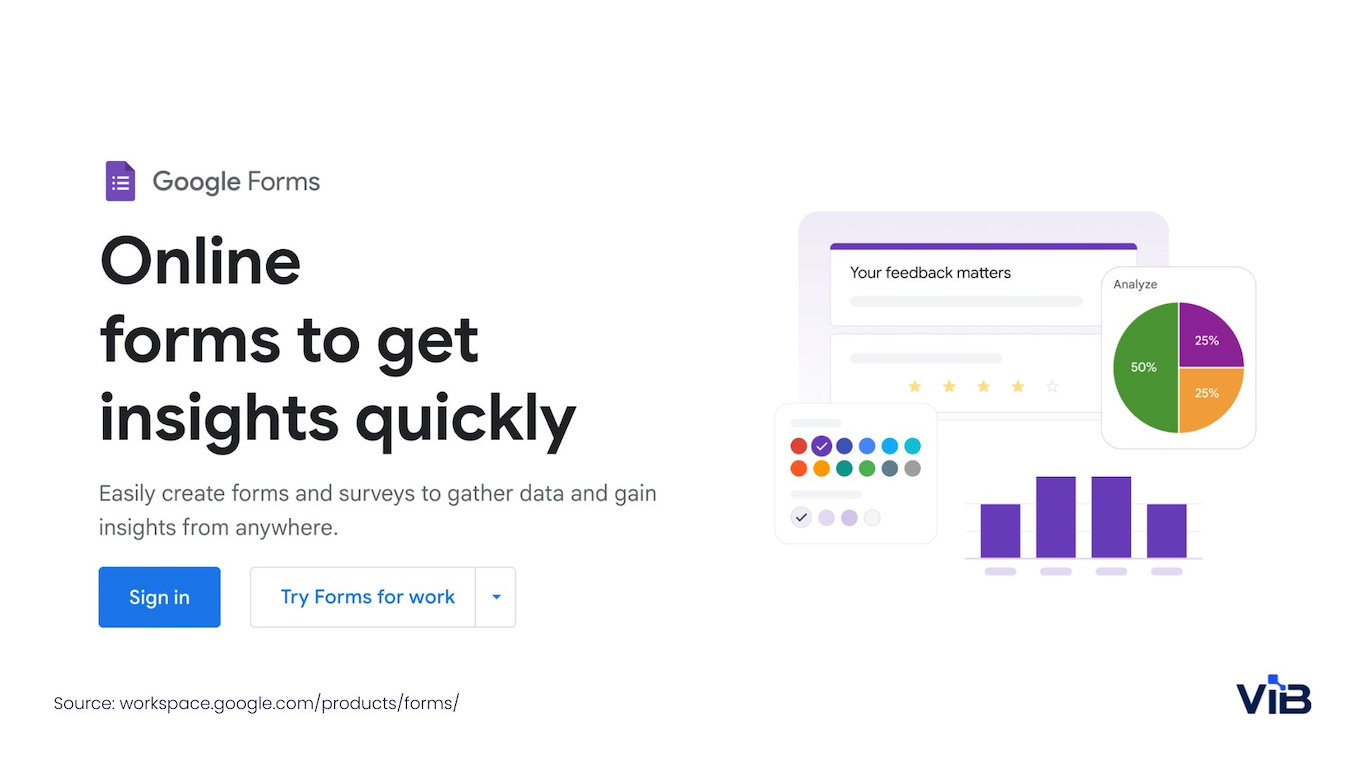
Google Forms is a free and simple survey tool that integrates easily with other Google Workspace products. It’s great for basic data collection but lacks advanced features that larger B2B organizations often need.
Pros:
- Free to use
- Simple to set up and share
- Automatic integration with Google Sheets for analysis
Cons:
- Limited customization and branding options
- Basic survey features—lacks advanced targeting or analytics
- Not ideal for large-scale or complex surveys
How to maximize the benefits of survey data
Surveys aren’t just for collecting data—they’re a powerful tool that can help you with a range of B2B marketing tasks. Here are some ways you can use survey tools to drive results:
Customer feedback & product development
Want to refine your product based on real customer feedback? Use survey tools for data collection on what your customers think about your product or service. Whether it’s about usability, features, or potential improvements, you’ll have the data you need to innovate.
Market segmentation & targeting
By gathering detailed insights on your target audience, survey tools help you better understand your customer segments. This allows you to refine your marketing strategies, tailor your messaging, and target the right people with the right offer.

Lead qualification
Looking to qualify leads more effectively? Surveys can help you gather insights on your prospects’ needs and pain points, enabling you to prioritize high-value leads and focus your efforts on those most likely to convert.
Thought leadership
Establishing your brand as a thought leader in the industry can build trust, enhance your credibility, and attract high-quality leads. You can use data from surveys to create all kinds of insightful content, including whitepapers, blogs, and ebooks, that showcase your expertise and provide value to your target audience. ✍️
Best practices for surveying your audience
To get the most out of your survey efforts, keep these best practices in mind:
1. Be clear and specific
The clearer your questions, the better your responses will be. Be direct and specific about what you want to know, and make it easy for respondents to answer. This ensures that the data you collect is accurate and actionable.
2. Tailor surveys to your audience
Personalize your surveys based on who you’re targeting to make your surveys as relevant as possible. By doing this, you’ll increase engagement and response rates.
3. Incentivize participation
Everyone loves a little something extra! Offering an incentive, whether it’s a discount, exclusive content, or entry into a giveaway, can significantly boost your response rates.
4. Keep it short and focused
People are busy, especially in the B2B space. Make sure your surveys are concise and focused on the key insights you need. The shorter the survey, the more likely people are to complete it.
5. Use data for actionable insights
Don’t just collect data—use it! Analyze your results, look for trends, and apply your insights to improve your marketing strategy, refine your product, or adjust your messaging.