 Skip to content


In today’s highly competitive B2B landscape, understanding and leveraging data is the key to achieving marketing success. The ability to precisely target the right businesses, understand their needs, and engage them effectively is paramount.
By utilizing data-driven approaches, marketers gain a deeper understanding of customer behaviors, preferences, and trends. These insights inform strategic decision-making and enable more effective marketing campaigns.
To effectively implement data-driven strategies, B2B marketers must adopt a systematic approach to data collection, analysis, and application. This involves setting clear objectives, identifying key performance indicators (KPIs), and regularly monitoring and evaluating campaign performance.
This comprehensive guide explores the essential components of data-driven B2B marketing, including crafting an ideal customer profile, utilizing firmographic and buyer intent data, and choosing the right data solutions to maximize your marketing efforts.
Let’s start at the beginning with the most important types of data for B2B marketers.
Types of data segments
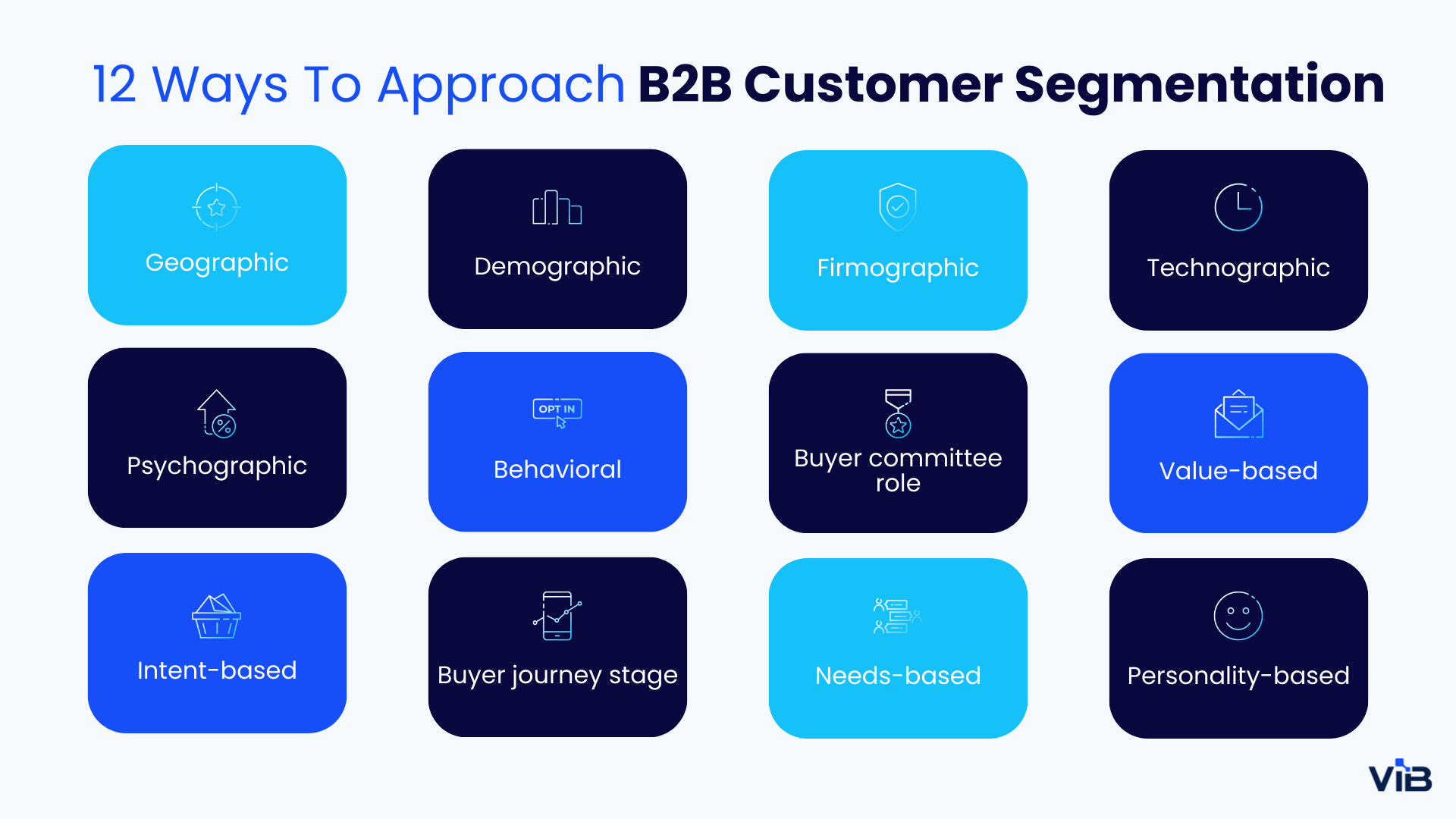
Data comes in all shapes and sizes. Here are some different data segments you’ll want to consider for your B2B marketing strategies:
- Demographic data: Information about individuals and their characteristics, such as their name, company, job title, phone number, and email addresses.
- Firmographic data: Information about a company, such as its size, industry, and location.
- Technographic data: Information about the technologies a company uses or is interested in.
- Buyer intent data: Refers to a range of data related to a contact’s buying status or likelihood of making a purchase.
To learn about all the segments you need to know, check out our ultimate guide on B2B customer segmentation.
While all of these data categories offer unique insights into your customer, buyer intent data is particularly valuable for your data-driven B2B marketing strategy.
Let’s take a closer look.
The importance of buyer intent data
Buyer intent data is one of the most important pieces of the B2B data puzzle.
This type of data can be best described as the digital footprint users leave behind, indicating their interests, needs, and potential future actions. Intent data captures a user’s intention to purchase, learn, or engage.
This data is used for targeted marketing and sales efforts, as it helps you pinpoint potential customers who are actively researching, considering, or showing interest in particular solutions.
There are two main types of buyer intent data: explicit and implicit.
Explicit intent data
Explicit intent data captures direct actions that signal a user’s intent. Understanding explicit intent data can be a game-changer for businesses.
Examples of explicit intent data include:
- Form fill-outs: A user visiting a software company’s website and filling out a form to request a product demo or a quote.
- Inquiries: A potential customer emailing a hotel to ask about room availability for specific dates.
- Direct messages on social platforms: A user reaching out to a brand’s Facebook page to ask about the sizes available for a particular clothing item.
- Subscription sign-ups: A visitor subscribes to a monthly newsletter or a premium content service, signaling a direct interest in ongoing engagement.
Implicit intent data
While explicit data offers clear indicators of interest, implicit intent data is more subtle, hinting at a user’s potential interests based on their online behavior.
Examples of implicit intent data include:
- Web page visits: A user consistently visiting a car dealership’s website and checking out SUV models might indicate an intent to purchase or at least a keen interest in SUVs.
- Content engagement: A potential investor reading multiple articles on a financial blog about “beginner stock market strategies,” hinting at an intent to start investing.
- Duration of engagement: Someone watching an entire 30-minute product tutorial video on YouTube, suggesting a more profound interest in understanding that product.
- Download behaviors: A visitor downloading a whitepaper, “The B2B Marketer’s Forecast for AI, Budgeting, and Lead Generation,” from a demand generation site might indicate an intent to explore or invest in demand generation solutions.
While explicit intent data provides straightforward signals of user interest, implicit intent data requires more nuanced interpretation. Both, however, are invaluable in painting a comprehensive picture of a user’s journey and potential motivations.
Benefits of leveraging buyer intent data
- Higher ROI: Using buyer intent data helps focus efforts on accounts actively researching your solution, leading to better results. Resources aren’t wasted on unqualified leads since it lets you zero in on those ready to buy.
- Better timing: Intent data enables timely, relevant outreach during the decision-making process.
- Shorter sales cycles: By targeting engaged prospects, sales cycles become shorter, boosting the conversion rate. In fact, 55% of B2B sales leaders saw a rise in lead conversions using intent data.
Now that we’ve covered the most important types of data for B2B marketers, let’s look at how this data is sourced.
Types of data sources
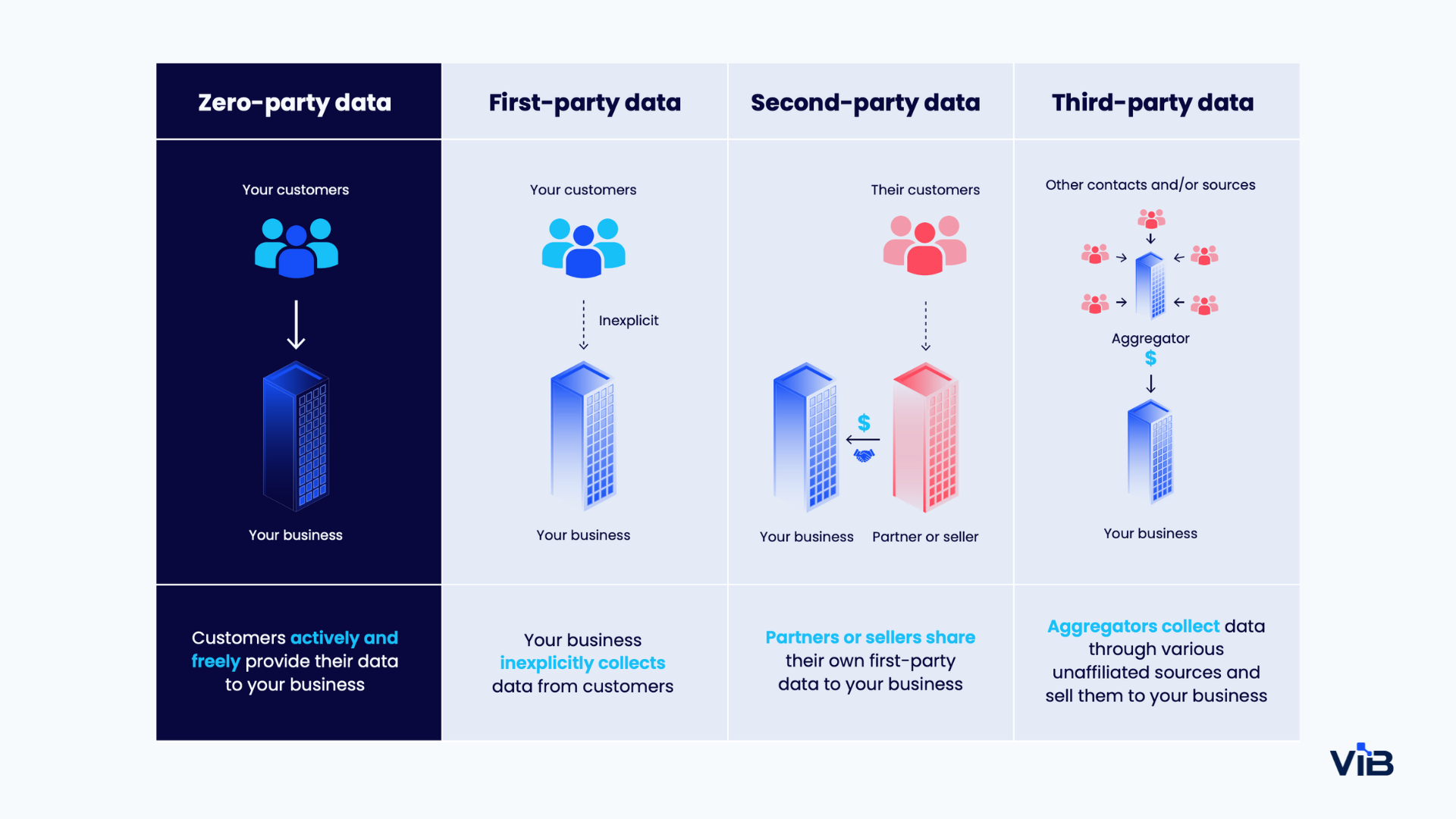
How and where you collect customer data is more important than you might think. Let’s look at the main data sources for B2B marketers and how they differ:
- Zero-party data: Information that customers directly actively provide to companies through explicit opt-in means, such as registration forms or surveys.
- First-party data: Information that customers directly but passively provide to companies through interactions like website analytics or purchase history.
- Second-party data: Information that is collected by one company and then shared with another company. This type of data-sharing arrangement is often established through a partnership or collaboration between the two companies.
- Third-party data: Information that is collected by a company from sources outside of its direct interactions with customers. This can include data from public records, third-party data brokers, or other external sources. Third-party data is generally considered to be less reliable and accurate since it isn’t obtained directly from the source.
Crafting the Ideal Customer Profile (ICP)
Building an ICP might seem daunting, but it’s more straightforward than you might think. Here’s a roadmap to get you started:
- Analyze your current customers: Examine your existing client base to get a sense of who’s already benefiting most from your products or services. Identify common characteristics among your best customers, such as:
- Firmographics: Identify the characteristics of the companies you want to target. This includes industry, company size, revenue, and geographic location. This data provides detailed information about companies and serves as a foundation for effective audience segmentation. By understanding firmographics, B2B marketers can tailor their messaging and outreach strategies to resonate with targeted businesses.
- Technographics: Understand the technology tools your ideal customers use. This can include software, hardware, and platforms that complement your offerings.
- Buyer persona basics: Consider who within the organization is making buying decisions. What are their roles, challenges, and goals?
- Pain points: Understand the specific challenges your ideal customers face and how your product or service can address these issues. By addressing these pain points in your marketing messaging, you can demonstrate the value and relevance of your offerings.
- Leverage buyer intent data and behavioral insights: Look at how potential customers interact with your brand and content. Understanding their engagement patterns can provide valuable clues.
And use buyer intent data to determine which companies are actively seeking solutions like yours. By focusing on companies with high buyer intent, you can prioritize your marketing efforts and increase the likelihood of conversion.
- Continuously refine: Regularly update your ICP based on market changes and insights from ongoing customer interactions to ensure it remains accurate and relevant. The business landscape is constantly evolving, and your ICP should reflect these changes to remain effective.
Common ICP mistakes to steer clear of
Even the most seasoned marketer can make mistakes. Here are the most common pitfalls B2B marketers should watch out for:
- Over-segmentation: While specificity is important, too much segmentation can lead to fragmentation and wasted resources. Aim for a balance.
- Relying solely on firmographic data: While firmographics are essential, they shouldn’t be the only focus. Ensure you’re considering psychographics and behavioral factors, too.
- Ignoring market trends: The market is always evolving. Regularly revisit your ICP to adapt to new trends and changes in buyer behavior.
- Not listening to customer feedback: Existing customers’ feedback can highlight which businesses benefit most from your product and reveal key pain points you can address.
Not involving other departments: Avoid creating your ICP in isolation. Marketing must collaborate with sales, customer service, and other teams who engage with customers to get valuable insights that marketing might overlook.
Best practices for sourcing and leveraging data
1. Collect data from multiple sources
Prioritize zero-party and first-party data. Gathering this data through your CRM and website ensures the most accurate, up-to-date, and relevant data for your target market.
Combine these sources with industry reports and platforms like LinkedIn for a complete view of your target market.
2. Organize and segment data
Start with any existing customer lists that are already segmented by basic demographics and firmographics like industry, company size, or role.
Then, user buyer intent data to create more nuanced categories, such as:
- Cold leads
- Brand-aware warm prospects
- Marketing qualified leads
- Sales-ready leads
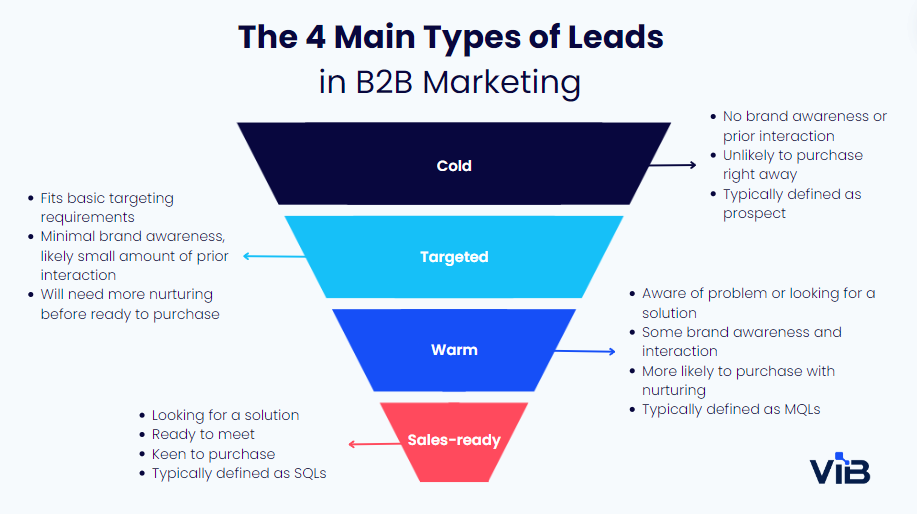
The overall goal is to group audiences with similar behaviors or interests together.
3. Personalize messaging
With your segmentation set, you’ll be able to execute various kinds of campaigns with more precision.
For example, if you have accounts showing an intent surge around products similar to yours, they could be primed for an introductory cold email campaign.
Or, you might have existing prospects who are frequent visitors to your blog or have downloaded several of your ebooks. This group could be ripe for targeted campaigns like webinar invites that showcase your solutions in real time.
Personalized messaging offers 5-8x more ROI than generic outreach. If prospects find your messaging irrelevant, they won’t engage.
4. Analyze the data for insights
Don’t just collect data—analyze it. Look for patterns and trends in buyer behavior.
Which companies are repeatedly visiting your site? What content are they engaging with the most? These insights help you prioritize leads and adjust your marketing strategy accordingly.
5. Act quickly on the data
Data is most valuable when acted on in real time. So, if a prospect is actively researching your product or service, now is the time to reach out. Waiting too long could mean missing out on a prime opportunity.
Choosing the right B2B data solutions
If you don’t have the bandwidth to gather, analyze, and implement all your B2B data on your own, there are various data solutions available. But it’s crucial to choose a provider that aligns with your specific needs and goals. Let’s take a look at the types of data providers available and key considerations for selecting one.
Types of B2B data providers
- Pure data providers: Companies that you can buy data from directly.
- Marketing lead generation service providers: Companies that offer access to their data by way of delivering services.
- Intent data platforms or providers: Companies that offer signals that indicate a prospect or companies’ interest level but may not provide you with actual contact data.
- Prospecting tools: Companies that offer access to data via a sales prospecting tool.
- Website tracking tools: Companies that enrich data using web intelligence tools
Key considerations for selecting B2B data providers:
- Data accuracy and quality: Ensure the provider maintains up-to-date and accurate data to avoid wasting resources on outdated or incorrect information. High-quality data is essential for effective targeting and decision-making.
- ICP targeting: Look for providers that can provide data on your ideal customers.
- Integration capabilities: Choose data solutions that seamlessly integrate with your existing marketing and CRM systems. This integration facilitates a streamlined workflow and enhances the efficiency of your marketing efforts.
- Customization and flexibility: Opt for providers that offer customizable data solutions tailored to your specific requirements—and budget.
- Compliance: Working with compliant providers helps maintain your brand’s reputation and avoids legal pitfalls. Choose a provider that complies with all regulations, offers transparency, and prioritizes user consent.
ViB: The go-to B2B demand generation partner for high-tech companies
ViB specializes in providing highly qualified B2B leads through a range of marketing lead generation services—including proprietary approaches to email marketing, intent data, content syndication, appointment setting, virtual events, and research services.
One of ViB’s key differentiators is its approach to sourcing leads. For over a decade, it’s been building a community of B2B technology professionals and decision-makers who are interested in discovering new and emerging technologies.
This millions-strong community opts in to receive information and updates from ViB. In turn, the community directly provides the most accurate and reliable contact information and behavioral signals—i.e., zero-party data and first-party data.
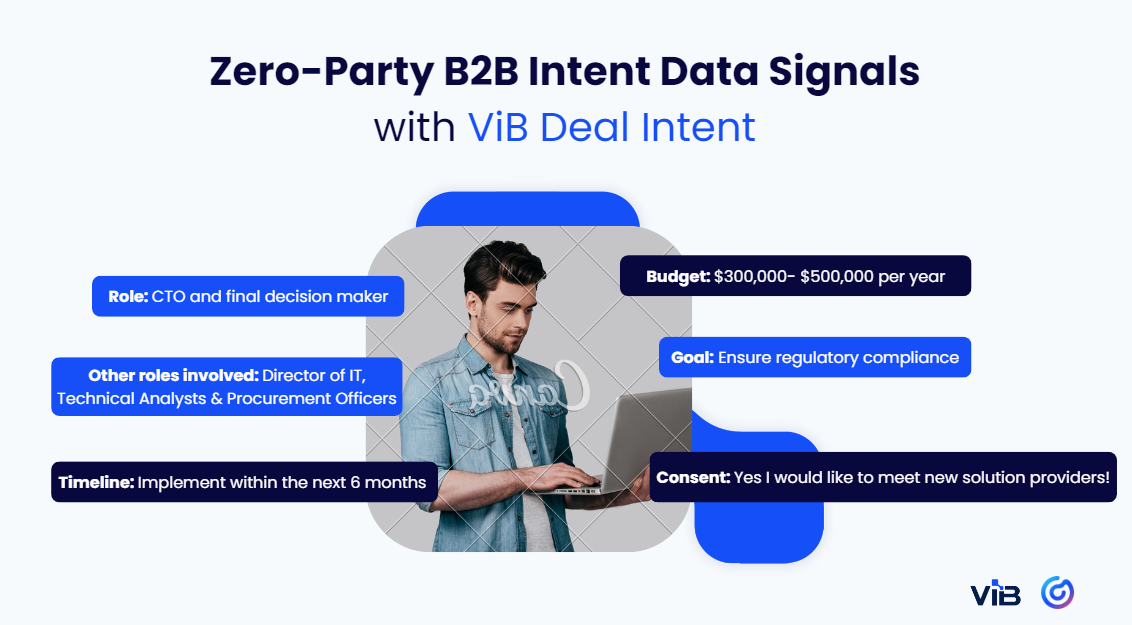
This approach allows ViB to generate leads that are highly qualified and interested in the technology products and services offered by ViB clients. They’re also much more likely to become paying customers than through other less effective methods.
Finally, ViB’s services are known to be affordable because of their simple operational approach.
Contact our experts to see how ViB can bring your data-driven marketing strategy to the next level.


